
How to Get More Google Reviews for Your Dental Practice
Dental practices do not have a quality problem, they have a recall window problem. Here is what actually works, with HIPAA-safe response patterns, the hygienist dynamic, and the insurance complaint that drives most negative reviews.
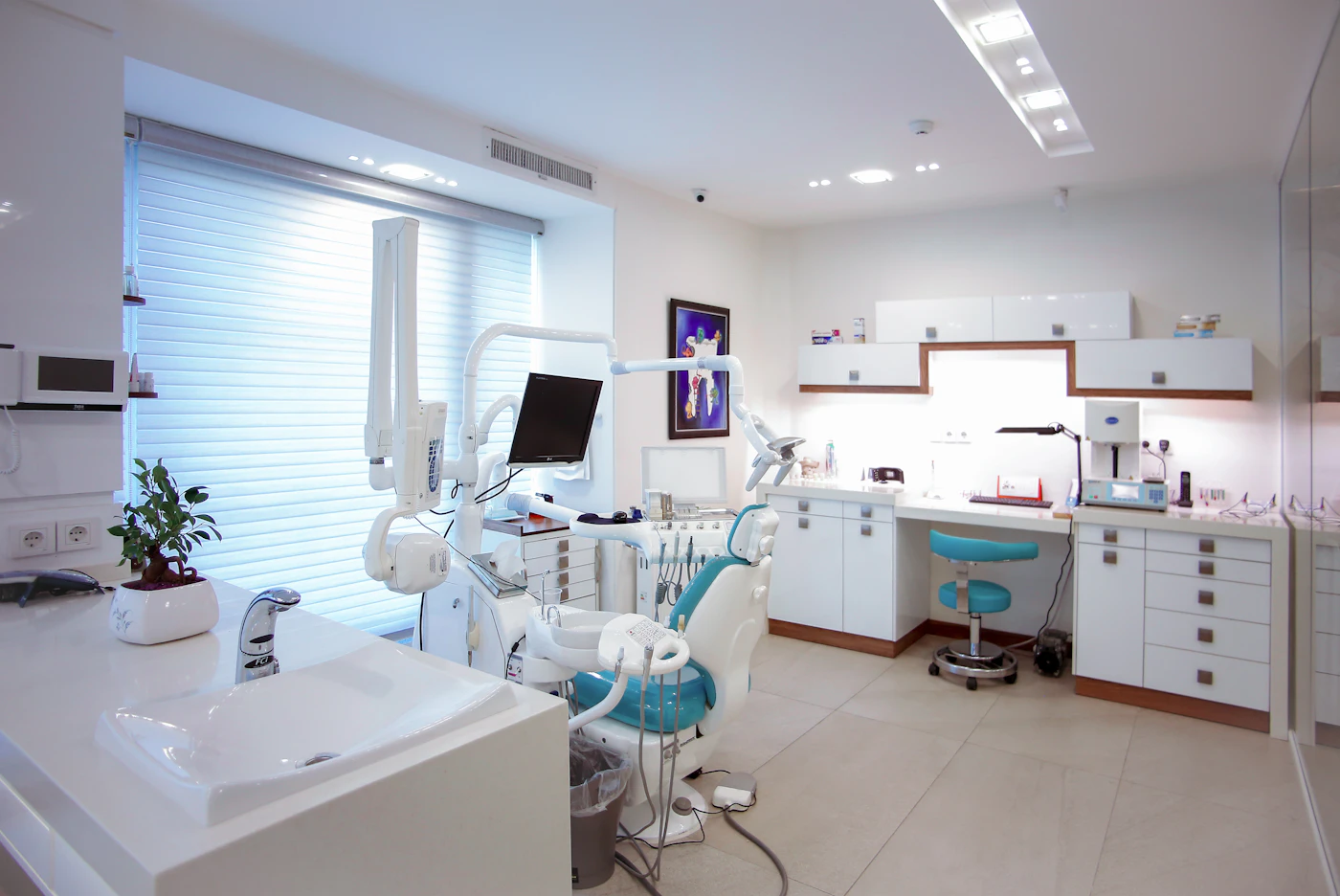
The highest converting moment to ask for a Google review in a dental practice is not the dramatic clinical win. It is the routine cleaning. Recall hygiene appointments produce more posted reviews per patient than any operative visit, even when the operative work was excellent. Most dental marketing advice has this exactly backwards, and it is one of three reframes this article is built around.
The other two are equally counterintuitive. The hygienist, not the dentist, is the right person to actually make the review ask in most general practices. And the largest single category of negative reviews dental practices receive is not clinical, it is insurance billing surprises. If you scroll any hundred Google reviews of general dental practices, you will notice almost every one mentions the hygienist by name and barely mentions the dentist at all. That dynamic, along with the recall window and the billing pattern, is the territory generic review advice tends to skip.
First the stakes. BrightLocal's annual Local Consumer Review Survey consistently finds that healthcare and dental are among the categories where consumers read the most reviews before booking, and the rating bar they will trust is higher than for almost any other local business. Whitespark's Local Search Ranking Factors ranks Google review velocity among the top inputs into the local map pack for healthcare specifically, often above raw review count. A practice with three hundred reviews and a 4.9 rating builds instant trust. A practice with twenty reviews does not, no matter how good the clinical work is.
What follows is the seven specific things that consistently move the needle inside actual dental practices, in the order they actually matter. Some of this will contradict generic review advice you have read. The dental dynamics are genuinely different.
When is the best time to ask a dental patient for a Google review?
Ask right after a routine recall cleaning, not after the dramatic clinical procedure. Here is the most important reframe. The highest converting review moment in a dental practice is not the moment after a successful root canal, a beautiful crown placement, or a complex restoration. It is the routine cleaning. The recall hygiene appointment, the boring twice a year visit, is the appointment where patients are calmest, least clinically anxious, not numbing, and most able to leave a thoughtful review. Every dental practice owner I have spoken to who actually tracks the data confirms the same pattern. Recall reviews convert at three to five times the rate of operative reviews, even when the operative work was excellent.
This goes against intuition. The instinct is to ask after the dramatic clinical wins, because that is where the practice owner feels the most pride in the work. The reality is that the patient who just had a filling is uncomfortable, has a numb mouth, and is mentally focused on getting back to their day. The patient who just had a cleaning is alert, comfortable, has been engaged in calm conversation with the hygienist for half an hour, and has zero reasons to want to leave the clinic quickly. The recall is the right window. Operative reviews are a bonus, not the foundation.
What about cosmetic and orthodontic milestones
Cosmetic and orthodontic milestone moments (the final veneer placement, the day the braces come off, the Invisalign reveal, the whitening completion) are the rare exceptions where the operative end of the practice produces excellent reviews. The patient has been waiting for the result, the result is visible, and the emotion is genuine. Our guide on Google reviews for cosmetic dental and orthodontic clinics goes deeper on these milestones. For these specific moments, asking in the chair makes sense. The general rule of recall over operative still applies for everything else.
Who should make the review ask in a dental practice?
In most general practices the hygienist, not the dentist, should make the review ask, because the hygienist is the relationship the patient actually values. The dynamic of patients writing reviews about the hygienist instead of the dentist is close to universal in general dental practices. The hygienist is the person the patient spends thirty to forty five minutes with, in calm conversation, while the dentist drops in for a five to ten minute exam at the end. From the patient's perspective, the visit is about the hygienist. The dentist is the brief clinical interlude. Read any hundred general practice reviews and the pattern is unmistakable.
Most practice owners try to fix this by training the hygienist to mention the dentist by name. That helps slightly, but the more powerful move is to lean into it. Train every hygienist to make the review ask themselves, at the end of the cleaning, before the dentist comes in for the exam. The line is short and natural. "It was lovely to see you today, if you have a moment, a quick Google review for the practice really helps us." The hygienist is the right person to ask because they are the relationship the patient values. The review attaches to the practice's profile regardless. The result is more reviews, more honest reviews, and reviews that genuinely capture what the patient experienced.
HIPAA shapes your review responses in ways most owners get wrong
This is the section that most generic review advice gets dangerously wrong, and it is dental specific. Under HIPAA, you cannot publicly confirm that someone is a patient of your practice. You cannot acknowledge specific clinical details from a review. You cannot say "I am sorry your root canal was uncomfortable" in a public reply, because you have just confirmed in writing on a public platform that this person had a root canal at your practice. That is a HIPAA violation regardless of whether the original review mentioned the procedure.
The right pattern for HIPAA safe public responses is to keep them generic and inviting offline contact. "Thank you for taking the time to share feedback. We take patient experience very seriously and would welcome the opportunity to speak with you directly. Please contact our office at [phone] so we can address your concerns." That response acknowledges the review without confirming care, expresses willingness to address the issue, and moves the conversation to a private channel where you can actually have a clinical discussion. Compare that to the well meaning but legally exposed response that says "we are so sorry your filling appointment did not go well, please come back so Dr. Smith can take another look" which has just confirmed care, named the procedure, and named the dentist.
What you can and cannot say in a public reply
You can thank the reviewer in general terms. You can describe your practice's general philosophy of care. You can invite offline contact. You cannot confirm the person is a patient. You cannot acknowledge specific procedures, dates, or clinical staff by reference to the patient. You cannot share any protected health information in any form. When in doubt, the safe pattern is to make the public reply almost content free and move the substance entirely to a phone or email follow up.
Try Kaisah
Turn happy customers into posted Google reviews.
What causes most negative dental reviews?
If you read a hundred negative reviews of dental practices, you will find that the largest single category is not clinical complaints. It is billing surprises. "I was told the procedure would cost X, then I got a bill for Y." "They did not tell me my insurance would not cover this." "They charged me for things I did not authorise." These reviews damage trust because they speak to the financial transparency of the practice, which prospective patients care about deeply when choosing a dental provider.
The fix is mostly operational, not review related. The practices that almost never get insurance billing reviews are the ones where the front desk reviews the treatment plan and estimated patient responsibility before any procedure is performed, gets verbal acknowledgement, and provides a written estimate the patient signs. The cost of doing this on every patient is fifteen extra minutes per treatment plan. The benefit is that you almost never get the bill shock review that drives a one star public rating. From a review program perspective, the move is also to give patients a private channel to raise billing concerns before they go public, because most billing disputes can be resolved with a brief phone call if caught early.
Anxiety patients are your highest leverage review demographic
Roughly a third of adults have meaningful dental anxiety. Many have not seen a dentist in years specifically because of that anxiety. Reviews that mention dental anxiety being handled well are some of the highest converting content you can have on your Google profile, because they speak directly to the largest pool of unbooked prospective patients in your area. "I have not been to a dentist in eight years and they made me feel completely comfortable" is the single most valuable kind of review a general practice can collect.
If your practice is good at handling anxious patients, ask anxiety specific questions in your review prompts. "Was there anything about the visit that surprised you?" or "How did the team help you feel comfortable?" naturally pull out the kind of language that signals to other anxious patients that your practice is safe. The patients who write these reviews are also the ones most likely to write thoughtful, detailed reviews, because they had something genuinely worth sharing. Most practices have these patients and never collect their stories.
Where the QR code goes in a dental practice
The single highest converting placement is the front desk, on a small acrylic stand at eye level for the standing patient, on the side facing the patient rather than the receptionist. The patient is settling up, scheduling the next recall, and no longer in the chair, which is the lowest pressure moment for a review prompt. Operatories work for cosmetic milestone moments but day to day cleanings convert better at the desk. The waiting area is a poor primary placement, since patients there have not yet had the experience.
Two practical details matter more than most owners think. The card design should be calm and clinical, not loud or marketing oriented, because dental patients respond better to professional cues than hospitality style flair. And the prompt around the code should reference the appointment generically ("if your visit went well today") rather than naming a specific procedure, because the same card has to work for the cleaning patient, the cosmetic patient, and the operative patient.
- Front desk acrylic stand: highest converter, lined up with the calm checkout moment
- Operatory chair card: reserved for cosmetic and orthodontic milestone reveals
- Same day SMS follow up: two to four hours after the appointment, separate from any aftercare message
- Avoid waiting area as primary, since patients there have not yet had the visit
- Hygienist verbal ask at the end of the cleaning, before the dentist exam
Give every patient the Google option, and give unhappy patients a way to reach you directly
Dental practices are especially attentive to negative reviews because one bad clinical experience or one billing dispute can scare off dozens of potential patients. The right pattern is to offer every patient both options at once. Show every patient the Google review path regardless of how the visit felt, and give them an equally clear way to share private feedback with the practice if they want a direct follow up. Google's review content policy and the FTC's rules on consumer reviews both treat selective solicitation (only asking happy patients, hiding the Google option from unhappy ones) as a violation. The universal-access pattern is the compliant one and it is also the right call for healthcare. Most state dental boards also have rules against incentivising patient testimonials, which makes a clean, universal review flow the only safe path on multiple regulatory fronts.
A short flow that asks how the visit felt, shows the Google review path, and also offers an easy way to send the practice a private note, gives the patient both options at once. The patient gets a real way to be heard directly. The clinical or billing team gets early warning of issues to address. Every patient still has the public option if they choose to use it. This also fits cleanly with the HIPAA constraint on public responses, because the substantive resolution of any complaint has to happen in a private channel anyway, and the universal-access flow makes that private channel easy to find without removing the Google option for anyone.
Putting it all together
The reason a calm, well run dental practice ends up with sixty Google reviews after nine years, almost all of them about the hygienist, is rarely that the clinical work is mediocre. It is that the practice's review system is reactive, the hygienist is not empowered to make the ask, the recall moment is being squandered, the cosmetic milestones are never specifically prompted, and the predictable insurance billing surprises never have a direct channel for patients to raise them with the practice before they go elsewhere. None of those problems require a redesign of the practice. They require small, specific, dental-shaped fixes installed in the right operational moments.
The dental practices that get to two hundred or three hundred reviews are not pushier or luckier. They have the hygienist asking at the end of every cleaning, a clean acrylic card on the front desk, a clear HIPAA safe response template for public replies, every patient offered the Google review path alongside an easy way to raise billing or clinical concerns directly with the team, and a habit of treating recall as the foundation of the review program. The Kaisah dental workflow is built around exactly this, and the pricing page shows the plans. Most of the work is in the first month. Most of the payoff is in the next two years, in the form of new patient bookings that arrive specifically because someone scrolled the reviews and saw a practice that knew what it was doing.
Related reading
A few hand-picked pages to go deeper on this topic.
Read next
More Kaisah articles on industry playbooks and nearby review-conversion topics.
Best Time to Ask Dental Patients for Google Reviews
Dental review requests work best after calm, positive appointments and milestone visits. Timing matters because patient comfort matters.
Dental Review QR Code Front Desk Placement Guide
The dental front desk is one of the safest places to prompt reviews. Here is how to make QR codes visible, calm, and easy to act on.

Dental Google Review Request Text Messages That Work
Dental practices need review request messages that feel calm, professional, and easy to act on. These examples make that much easier.
FAQ
Quick answers for the most common questions around this topic.
When in a dental visit is the best moment to ask for a Google review?
After a routine recall cleaning, asked at the front desk during checkout, is the highest converting moment in most dental practices. The patient is calm, not numbing, and has had a long calm conversation with the hygienist. Operative appointments like fillings and root canals are much weaker review windows because the patient is uncomfortable and ready to leave. The exception is cosmetic and orthodontic milestone moments (final veneer placement, the day braces come off, Invisalign reveal), which can be asked in the chair while the patient is reacting to the visible result.
Should the dentist or the hygienist make the review ask?
The hygienist, in almost every case for general practices. Patients spend thirty to forty five minutes with the hygienist in calm conversation while the dentist drops in for a brief exam, so the relationship the patient values is with the hygienist. Hygienists making the ask at the end of the cleaning, before the dentist exam, is the highest converting pattern in most general practices. The dentist asking can feel like clinical pressure given the implicit power dynamic of the relationship.
Can I respond publicly to a negative review by name and acknowledge the procedure?
No. HIPAA prohibits dental practices from publicly confirming that someone is a patient or acknowledging any clinical details, including the procedure mentioned in their review. Even a well meaning response like "we are sorry your filling appointment did not go well" violates HIPAA because it confirms care in a public forum. The safe pattern is a generic, content free public reply that thanks the reviewer, expresses willingness to address concerns, and invites them to call the office. The substantive conversation must happen privately on the phone or by email.
What is the most common kind of negative review dental practices receive?
Insurance billing surprises, by a wide margin. "I was quoted X and charged Y" or "they did not tell me my insurance would not cover this" are the dominant categories of negative dental reviews. The fix is operational rather than reputational. Practices that review the treatment plan and estimated patient responsibility with the patient before any procedure, get verbal acknowledgement, and provide a written signed estimate, almost never receive billing surprise reviews.
Can I offer a discount or free whitening kit in exchange for a review?
No, on multiple grounds. Google's review content policy explicitly prohibits offering anything of value in exchange for a review, and reviews collected this way can be removed and the practice profile penalised. Most state dental boards also have rules against incentivising patient testimonials, which can carry licensing consequences beyond the Google penalty. The right play is to remove friction in the review process rather than to add incentives. Make it easy for patients who had a good visit to leave a review, and let the quality of care do the work.
How do I handle a patient who is clearly unhappy with their visit?
Address the issue directly, clinically and privately. Then send the same prompt every other patient gets. The Google review path stays on offer because cherry-picking who is allowed to post is the kind of selective solicitation Google's review policies and the FTC's rules on consumer reviews both prohibit. The same prompt makes it just as easy for the patient to share private feedback with the practice, which gives the clinical team a real chance to follow up on anything that needs attention. The patient decides which option to use, often using both. The practice gets a much fuller picture of the experience, and the patient still has the public option if they choose to use it.
Do reviews matter more for specialty practices like orthodontics or cosmetic dentistry?
They matter at least as much, because patients researching higher commitment treatments like orthodontics, implants, or veneers read more reviews and weigh detail more heavily than for routine general dentistry. Long, descriptive reviews that mention the actual treatment journey, the comfort level, the clarity of communication, and the final result convert browsers into consultations far better than generic five star ratings. The milestone moment (debonding, final restoration, Invisalign reveal) is the natural review window for these specialties.